The question is worth asking carefully before you book. A first safari should not just have good animals. It should feel clear enough to make sense while it is happening, rewarding enough to feel worth the journey, and structured in a way that does not leave you wondering what just disappeared into the bush at 200 metres.
Amboseli answers most of that brief very well. The park combines elephants in numbers and in proximity that few African parks match, open habitat that makes wildlife genuinely readable, and a practical access from Nairobi that suits shorter trips. For a first safari in Kenya, that combination is hard to argue against.
Why Open Terrain Matters More Than People Expect
One of the most common first-safari frustrations happens in dense bush. The guide spots something. Everyone cranes forward. Something moves behind a wall of vegetation. You are told it is a leopard. You nod and make a note.
Amboseli largely avoids that problem. The park’s core habitat is open grassland surrounding a network of wetlands fed by underground water from Kilimanjaro. Animals are visible at distance, viewable clearly when approached, and present in patterns a first-time visitor can learn to read within a day.
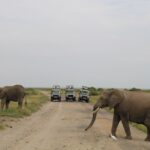
Elephant family groups move across open plains at Amboseli in ways that let you watch behaviour unfolding over minutes rather than glimpsing movement through a gap in the trees. That kind of clarity is genuinely valuable for someone experiencing safari for the first time.
Elephants as the Anchor Species
Elephants are one of the better first-safari animals. They are not elusive. They are not fast. They are present in family groups that display social behaviour you can observe and understand without a field guide. Young calves are visible. Matriarchs make decisions you can watch in real time. The species is emotionally accessible in a way that even the most spectacular predators sometimes are not.
Amboseli’s elephant population is one of the most studied and well-known in Africa. The Amboseli Elephant Research Project, running since 1972, has documented over 2,000 individuals across multiple generations. The families are recognisable. The guides who have worked the park for years can tell you which matriarch is leading a group, how many calves a given family has produced in recent years, and what the current drought or wet-season cycle is doing to movement patterns.
For a first safari, that depth of context makes the experience feel more meaningful rather than more complicated.
Is Amboseli Only About Elephants?
No. This is a common misreading.
Amboseli is elephant-led, but the wildlife list is genuinely broad:
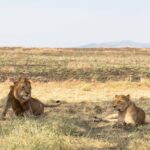
- lion and cheetah (predators present year-round, though not always the headline attraction)
- buffalo in large herds around the swamp edges
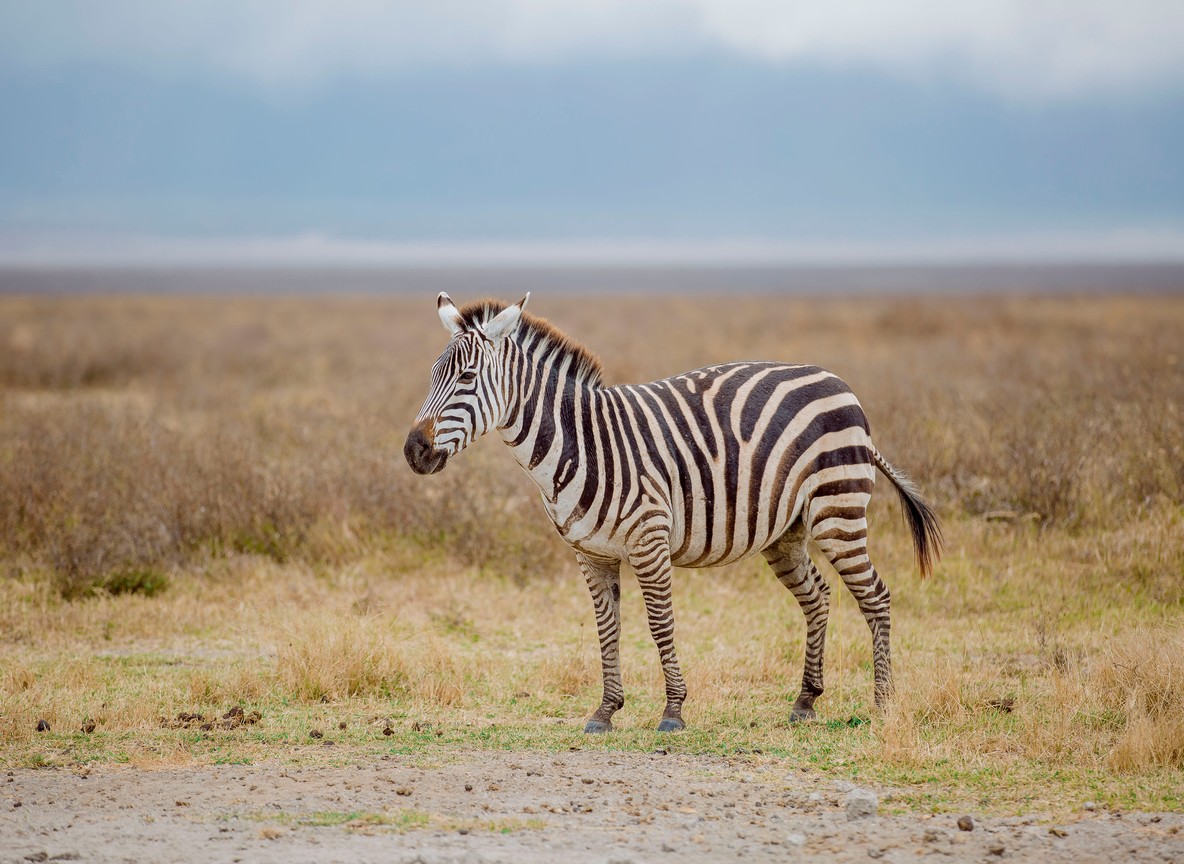
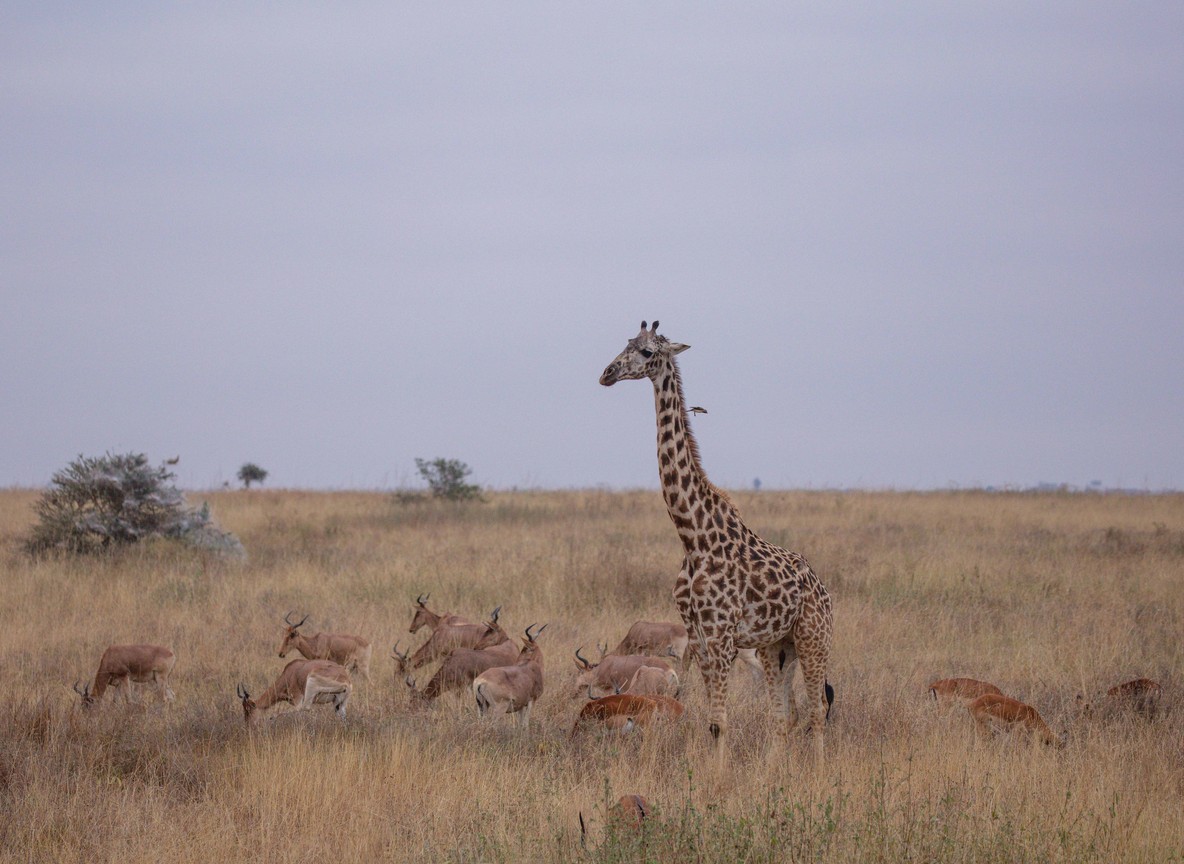
- giraffe, zebra, and wildebeest on the open plains
- hippo and crocodile in the permanent wetland areas
- over 400 recorded bird species, including significant concentrations of waterbirds around the swamps
The park does not have rhino, which matters if a full Big Five checklist is the primary objective. But for a first safari focused on a rich, varied experience rather than a checklist completion, the absence of rhino is rarely the deciding factor.
Is Amboseli Easy to Reach for a First Trip?
Easier than most parks at this quality level.
From Nairobi, the standard approach is either:
- Road transfer through Namanga, approximately 4 to 5 hours depending on traffic and conditions
- Fly-in via Wilson Airport to Amboseli’s Kimana airstrip, approximately 45 minutes
The park works comfortably as a 2-night or 3-night trip, which suits first-time travellers who may not be ready for a longer, more complex circuit. It also combines well with other parks — a common Kenya itinerary pairs Amboseli with the Maasai Mara for a trip that covers two completely different ecosystems.
How Long Should a First-Time Visit Be?
Two nights can work, but three nights is usually better for a first visit.
A 2-night stay gives you roughly four game drives, which is enough for a meaningful introduction. You will likely see elephants well, get reasonable general wildlife, and understand the park’s geography.
A 3-night stay gives more room:
- multiple attempts at early-morning light over the plains
- more chances for a clear Kilimanjaro sighting (which is weather-dependent)
- less pressure on any single drive to deliver everything
- more time to learn how to read the landscape and animal behaviour
For families and for photographers, the extra night almost always pays off.
What Are the Real Trade-offs?
Amboseli is strong for a first safari, but being honest about the trade-offs is worth doing.
Kilimanjaro visibility is weather-dependent. The mountain is visible on clear mornings, typically best in the dry season between June and October and again in January and February. Cloud cover can obscure it entirely during wetter periods. If the entire trip is built around the elephant-plus-mountain photograph, you need to manage that expectation going in.
Predators are present but not dominant. Amboseli has lions and cheetah, but the park’s identity is not built on predator drama in the way the Maasai Mara is. If a first-time visitor specifically wants lion hunting or cheetah sprinting across open plains, the Mara is a stronger answer.
No rhino. The Amboseli ecosystem does not have rhino. For a full Big Five experience including rhino, you need to add Ol Pejeta, Lewa, or another Laikipia property.
None of those are reasons to avoid Amboseli for a first safari. They are reasons to understand what you are buying before you arrive.
Is It Good for Families?
Yes. Amboseli is one of the better Kenya parks for families, particularly those travelling with younger children.
The reasons:
- Elephants at close range are universally compelling for children
- The open habitat means long game-drive sessions are not spent staring at bush
- The trip can be kept short, which suits children who lose patience on longer circuits
- Family-friendly camp options exist across price points
The main caution for families is to look carefully at camp suitability. Not all Amboseli camps cater well for young children. Some have age restrictions on game drives or limited family room setups. Confirm those details before booking.
Is It Good for First-Time Photographers?
Very good. Possibly the best Kenya park for someone picking up safari photography for the first time.
Elephants at proximity are patient, large, and offer constantly changing compositions. The open habitat gives clean backgrounds without the tree-cluttered framing that frustrates photographers in denser bush. When Kilimanjaro is clear, the mountain adds a backdrop that lifts the imagery far beyond what most other African parks can offer.
A first-time photographer can leave Amboseli with genuinely compelling images. That is not true of every park, and it is a real advantage of the destination.
Explorer Notes
The Amboseli swamp system is the ecological heart of the park. The permanent water draws wildlife year-round and creates the kind of predictable animal presence that benefits first-time safari visitors. A drive that covers the swamp edges in the early morning, when hippos are returning to water and elephant herds are moving in from the surrounding plains, is one of the most reliable wildlife hours in Kenya.
The best Kilimanjaro views tend to come in the first 30 to 45 minutes after sunrise, before cloud development builds over the mountain’s upper slopes. Camps that position guests to take advantage of that window — with early breakfast and vehicles ready to move before full light — make a material difference to whether you leave with that photograph or not.
For broader Kenya safari planning, including how Amboseli fits into multi-park itineraries, touringinsights.com covers destination comparisons and seasonal guidance.
Quick Summary
| Question | Answer |
|---|---|
| Is wildlife easy to see? | Yes, open habitat helps considerably |
| Are elephants a strong draw? | Yes, one of Africa’s best populations |
| Is the park easy to reach? | Yes, road and fly-in options from Nairobi |
| Does it work for short 2-night trips? | Yes, though 3 nights is better |
| Good for families? | Yes, with the right camp choice |
| Good for first-time photographers? | Yes, very good |
Conclusion
Amboseli is one of the better answers to the question of where to do a first Kenya safari. The open terrain, the elephant access, the practical logistics, and the ability to structure the trip as short or as extended as your time and budget allow make it unusually flexible. The trade-offs are real but manageable with correct expectations.
The park does not promise to be everything in one visit. What it does very reliably is give a first-time visitor an experience that makes sense while it is happening and stays with them after it ends.
Next Steps
If you are planning a first Kenya safari and weighing Amboseli against other parks, the most useful next step is to decide on trip length and access format (road versus fly-in). From there, the right camp becomes a much smaller decision. For destination guides and planning resources across Kenya’s safari regions, visit touringinsights.com.
Prefer a different route, budget, or travel style? This plan can be adapted to fit.
Customise Your Trip